VST Lighting Logo

LED EXTRUSION

LED Extrusion Profiles for Project Lighting

VST is an aluminum channel supplier with sections for shelves, plasterboard ceilings and suspended lines. Start with where the profile must sit and what it must hold.

  • Match the section to the mounting surface.
  • Check strip width and diffuser fit together.
  • Use a cut sample to settle visible details.

Product overview

Where LED extrusion fits into your lighting design

The mounting surface determines which extrusion body can be used.
An LED extrusion holds the strip and gives the diffuser a defined seat. For a shelf, a shallow surface channel keeps the metal face small. A plaster-in section needs its wings buried in the ceiling finish. A suspended housing adds hangers and a cable route. Send VST the strip width, section drawing and intended cut lengths so those parts can be checked as one assembly.
✓

Mounting before size

Separate surface, plaster-in and suspended installation routes before comparing outer dimensions.

✓

Usable channel width

Leave clearance for the selected PCB, solder connection and the cover retention lips.

✓

Light-line appearance

Judge the diffuser with the actual strip at the distance from which the line will be seen.

✓

Complete component set

Specify the section together with its end caps, fixing pieces and packing length.

VST supply support

How VST supports LED extrusion selection

VST is an aluminum LED profile manufacturer with published surface, plaster-in and suspended sections. That range gives you a starting section for each mounting method. The team can check the cover, end cap and requested finish against the drawing, then prepare a sample for the parts that will be visible or difficult to change on site.
✓

Family breadth

VST's catalog covers surface, recessed, plaster-in and suspended sections. Start with the mounting method, then shortlist a section drawing that fits the host structure.

✓

Drawing alignment

A plaster wing, hanger or surface clip has to meet the construction detail. VST can compare the section drawing with your ceiling or furniture plan.

✓

Cover interface

The diffuser seats on model-specific retaining lips. Check the cover and body together on a short sample before planning long runs or replacements.

✓

Sample route

A cut piece gives your team the actual scale, finish and strip fit. That matters most when the metal face will remain in view.

Selection basis

What defines LED extrusion

The models shown here cover surface, plaster-in and suspended installation routes.
The mounting interface separates the main LED extrusion profiles. A U channel fixes to a surface or sits in a groove. Plaster-in wings become part of the finished board. Suspended sections also need a hanger and cable route. Internal width limits the strip that will fit, while the diffuser changes the visible line. Check those details on the chosen section; the outside dimensions alone do not describe the finished assembly.

Configuration references

Compare LED extrusion forms

Compare the four section drawings by mounting method and usable strip space. VST can check the matching cover, end caps and finish for the shortlisted models before you request a sample.

Practical checks

Details that protect the LED extrusion decision

Start with the section drawing, then check the mating parts and the sample you will approve.

Section drawings

The section drawing shows the true opening and mounting interface. It lets you separate a surface channel from a profile designed to be plastered into the ceiling.
Strip clearance

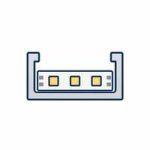
Compare the strip width with usable cavity space, including the solder point. That clearance affects both assembly time and the finished light line.
Cut section

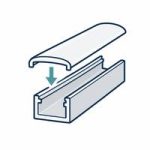
A cut sample reveals how the cover and body meet in hand. The approval can then match the intended viewing distance and handling.
Long-length packing

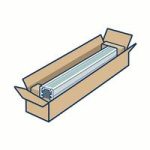
Protect long aluminum lengths separately from loose diffusers during shipment. This reduces damage to visible finishes before site assembly.

Component decisions
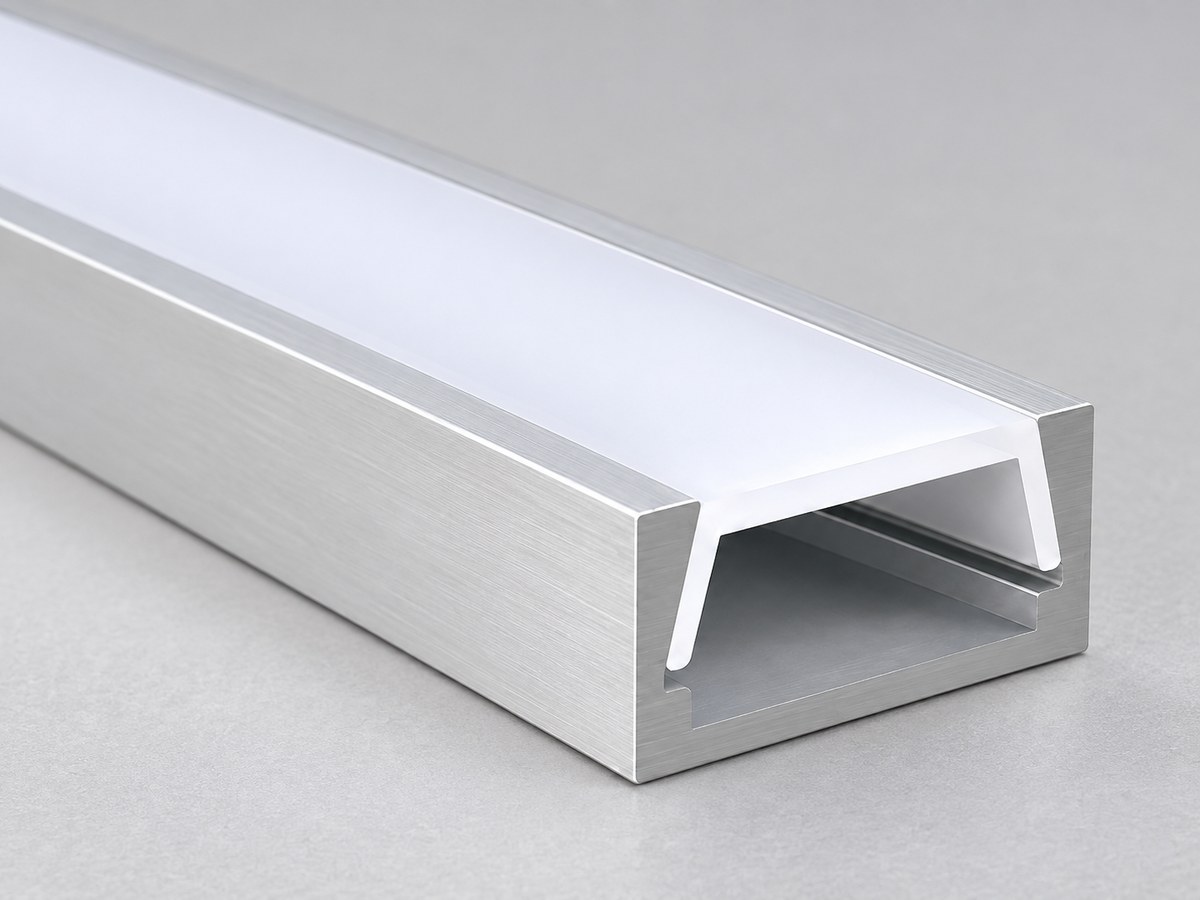
Parts that shape the LED extrusion assembly

The section, cover and strip affect different decisions in a mixed-profile project.

Housing

Aluminum profile body

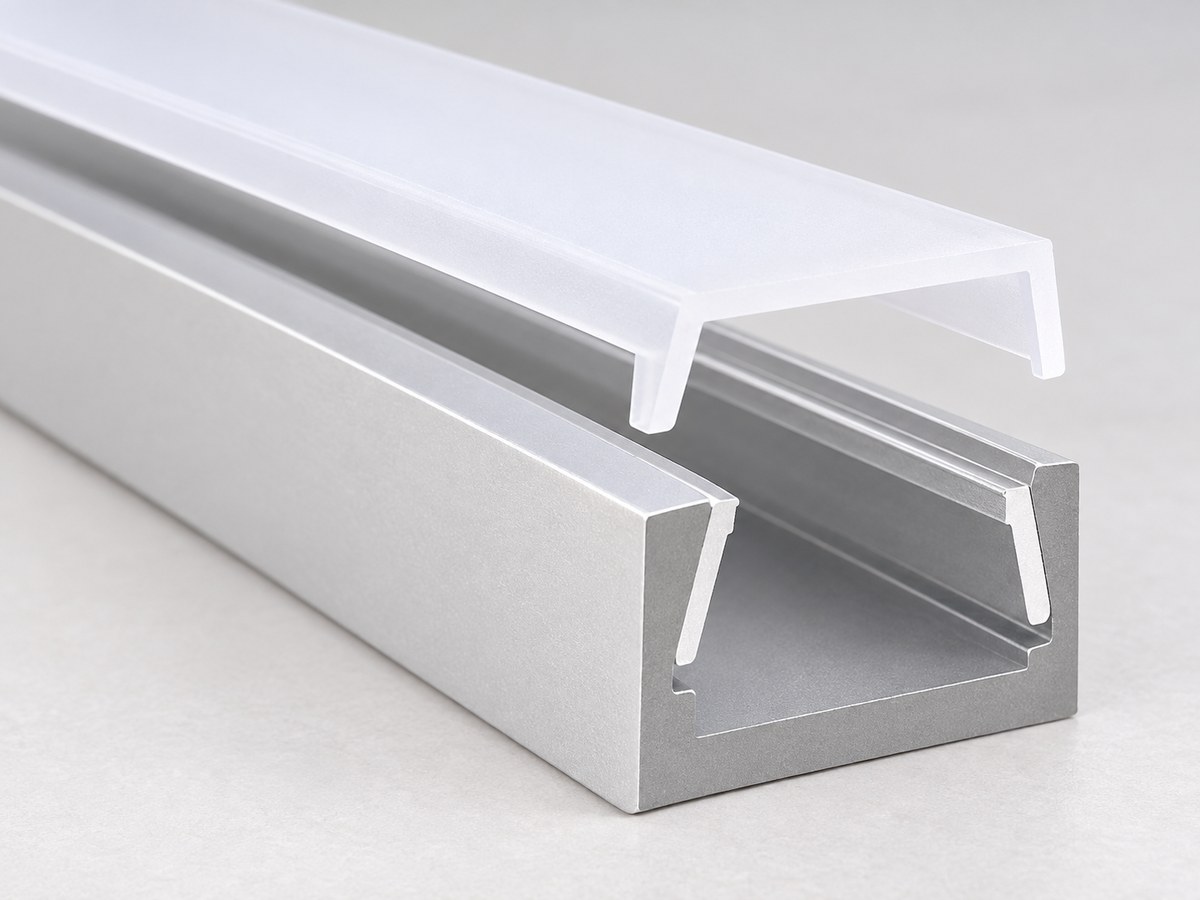
SU1506's aluminum body provides a low surface channel with a defined cavity for the strip. A plasterboard ceiling or suspended line needs a different mounting interface. Put the section drawing beside the host detail and mark the finished length and cable entry. That shows whether this extrusion will fit the assembly or another profile family is needed.

Optical component

Diffuser cover

The diffuser has to seat in the retaining lips of its own profile. Covers that look alike in a catalog can fit very differently in hand. Light a short section with the intended strip and view it from the distance that matters on site. The trial will show LED dots, glare and whether the cover stays seated along the run.

Light source

LED light source

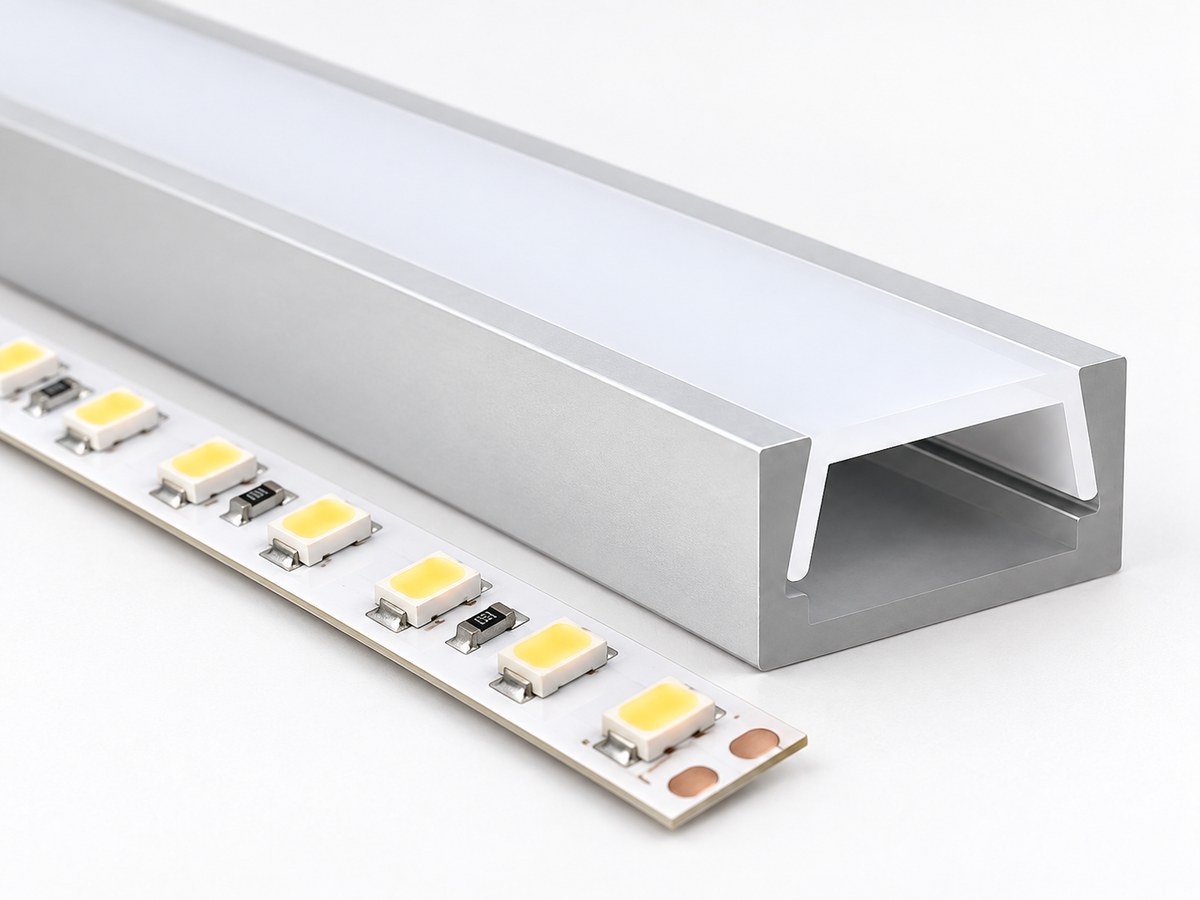
The strip is a separate part of the assembly. Its board width has to clear the channel, while LED spacing and operating power affect the line seen through the diffuser. Check the solder joint and cable entry as well as the flat PCB. A strip may fit in the cavity yet still produce an unwanted pattern or excessive heat in use.

Company perspective

Profile supply at VST

The company and customer videos give you a sense of how VST works. For the product decision, keep the section drawing and physical sample at the center of the discussion.

VST company overview

VST's company film introduces its lighting operation. For a project using more than one extrusion form, ask the team to identify the body, matching cover and accessory set for each line. Those details give the sample stage a clear purpose.

Customer experience

The customer film offers a view of working with VST. Your own extrusion program still needs a named section and cut list. Agreeing on those items early makes it easier to compare a later shipment with the approved sample.

Application guide
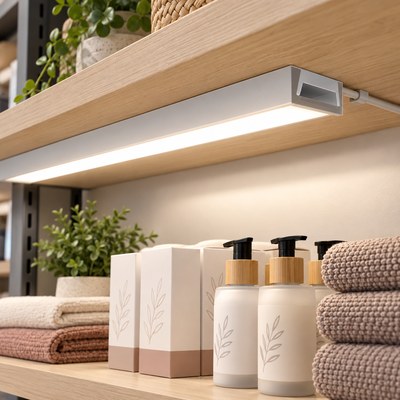
Choose LED extrusion by installation task

If you need an OEM strip channel supplier, start with the host product or site drawing. The mounting plane, viewing angle and route for service will usually rule out several otherwise similar sections.

Retail shelf edges

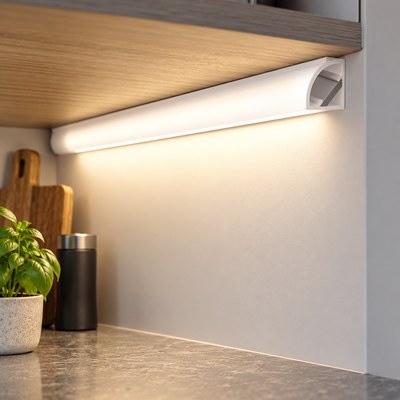
A retail shelf puts the channel close to merchandise and close to the eye. Check whether the strip is visible from the aisle, how the diffuser looks beside the shelf finish, and where the cable leaves the unit. For the display mockup, ask VST for an SU1506 section with its matching cover and end pieces.

Plasterboard ceiling lines

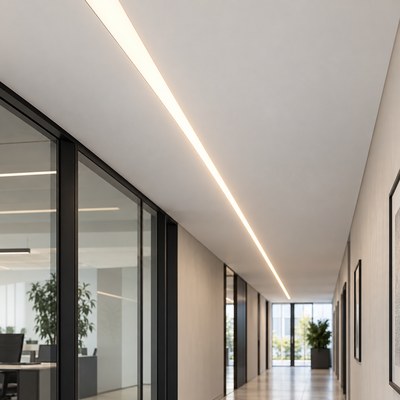
The plaster-in profile has to be positioned before the ceiling is closed. Set the recess depth, wing position and access for later strip replacement on the reflected ceiling plan. A short PR5014 sample from VST lets the finishing team inspect the diffuser line against the ceiling detail.

Suspended office features

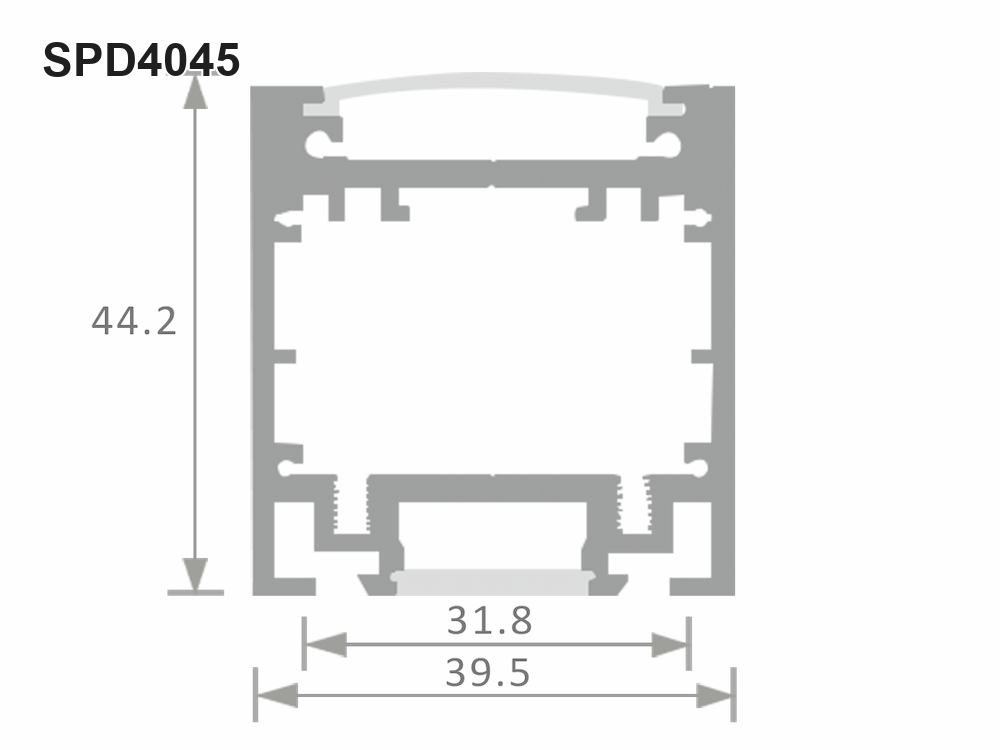
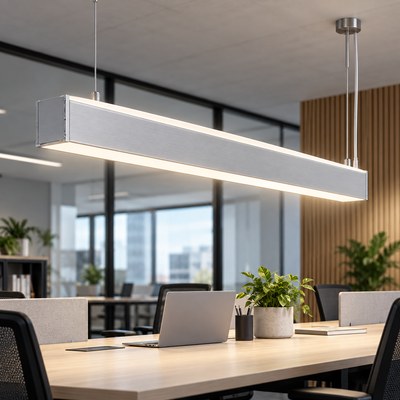
A suspended office line needs a level body, reliable ceiling support and a planned power entry. Confirm the length schedule, hanger locations and whether light is needed above as well as below the housing. VST's SPD4045 assembly can be used to check the accessory package and how the line looks in the space.

Cabinet corner lighting

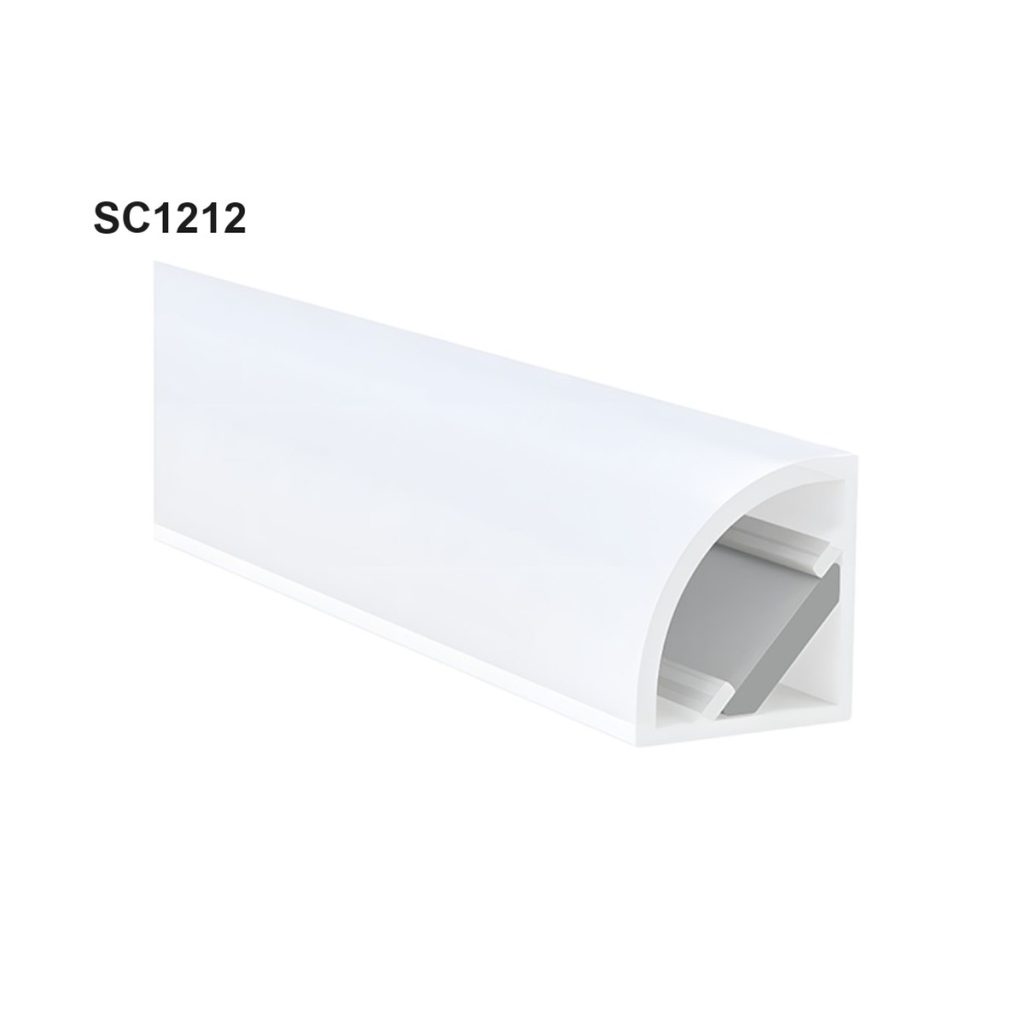
Inside a cabinet corner, the section must clear doors and shelves while aiming light at the work surface. Mark the panel angle, fixing area and wire exit on the furniture drawing. An SC1212 sample from VST will show whether the cover and end pieces look right in the mockup.

Equipment integration

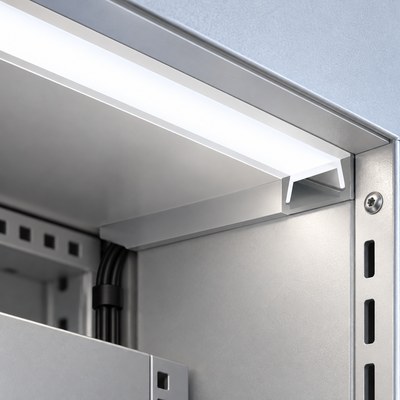
An equipment maker needs the same channel to fit every enclosure in the run. Check the opening tolerance, nearby material, heat path and whether the strip can be replaced without dismantling the host product. Send VST the component drawing and a sample opening so its team can identify any interface that needs a change.

Request a profile review

Specify the right LED extrusion for your project

Send the application, mounting drawing or opening, strip width, finish and expected quantity. As an LED profile supplier, VST can suggest a published section to sample or identify the detail that needs a new drawing.

Technical planning

LED extrusion specifications and installation

The table identifies selected reference families; use each published model page for its detailed dimensions.
ModelSectionStrip widthMountingCover optionsStandard lengthListed accessories
SU1506W15mm ร— H6mmโ‰ค11.5 mmSurface UPC/PMMA2mclips / end caps
PR5014W50mm ร— H14mmโ‰ค10.5 mmPlaster-inPC/PMMA2mclips / end caps
SPD4045W40 ร— H45mmโ‰ค30 mmSuspended double-sidedPC/PMMA2mclips / end caps
SC1212W12mm ร— H12mmโ‰ค6 mmSurface cornerPC/PMMA2mclips / end caps
As an LED extrusion supplier, VST lists SU1506 with anodized, powder-coated or spray-painted finishes in silver, black or white. The model record also lists PC or PMMA covers, a 2 m standard length, metal clips and end caps with or without a hole. Check the options separately for any other section or custom combination.
An aluminum section is extruded, finished and cut. The cover and end pieces are then matched to the chosen body and packed for that model. Use the approved drawing and finish sample to inspect the order.
For a mixed project, mark each installation plane, set out the fixing parts, and test one complete length with the actual strip and cover before repeating the detail.

Working with VST

Supply questions for LED extrusion

Sample, quantity, timing and packing terms depend on the sections chosen for the order.
01

Yes. VST can send sections from the relevant profile families so you can compare geometry and cover fit. Sample charges depend on the models chosen. A credit against a later bulk order applies only if both sides agree to it for that order.
02

For regular SU1506 stock, the published product page says 100 meters can be discussed. Other stocked sections need their own quote. Around 300 meters is a general planning start for new production or special configurations, not a minimum that applies to every model.
03

Allow about 2-3 weeks of production for a regular profile, 3-4 weeks for light customization and 4-6 weeks for extensive work. These are typical production ranges. Transit and sample approval sit outside them, so the order schedule needs its own confirmation.
04

Give VST the cut list and the labels your installation team needs. Pack bodies, diffusers and small parts by section so each length can be identified without opening every carton at the job site.

Product questions

Practical LED extrusion decisions

An extrusion can fit the strip yet fail at the cover, cable exit or mounting surface. These answers deal with the choices that remain after a section has been shortlisted, including service access and whether VST will supply an empty channel or a lit assembly.

Start with the mounting method and the room available for the strip and cover. A surface channel, plaster-in section and suspended body each meet the host structure differently. Show the substrate, visible face and cable route on the drawing before choosing a model.

No. Cover retention geometry varies by profile. The mating lip, material and finish have to match the selected section.
CheckReason
Retention lipControls whether the cover seats securely
Viewing distanceChanges how visible the LEDs appear

Compare the strip PCB width with the published internal clearance of the selected model, then allow room for solder joints and cable entry. A nominal outer width does not establish usable strip space. A physical assembly sample is valuable when the fit is tight.

Avoid it when the finished surface cannot be opened or rebuilt around the profile. The wings need a planned finishing layer, and the channel position must be stable before plastering. Surface mounted or recessed alternatives may be more practical for completed interiors.

VST can quote an assembled light using a profile, compatible strip, wiring and driver once those parts are specified. The profile itself remains a mechanical component. State whether you want an empty channel or a lit assembly in the inquiry so the component list is clear.
Inquiry Now