VST Lighting Logo

Continuous light details

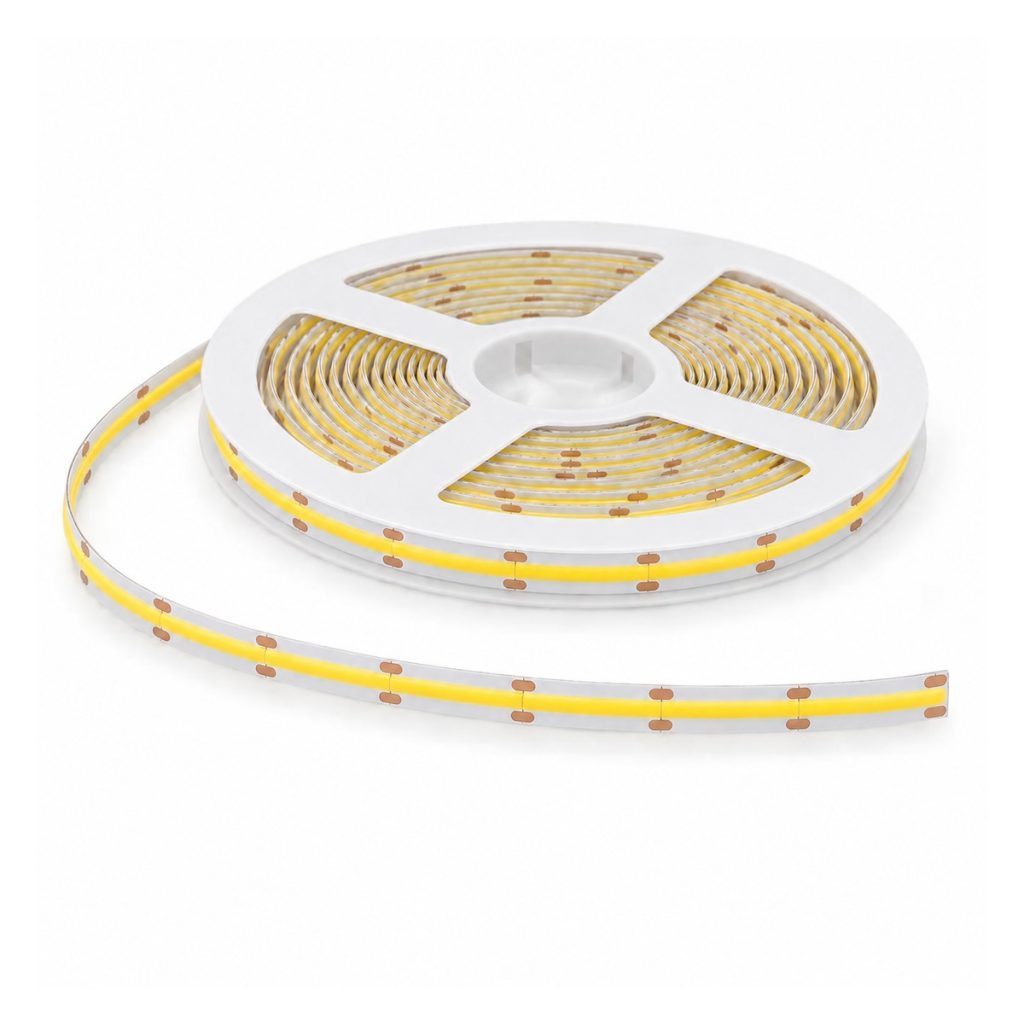
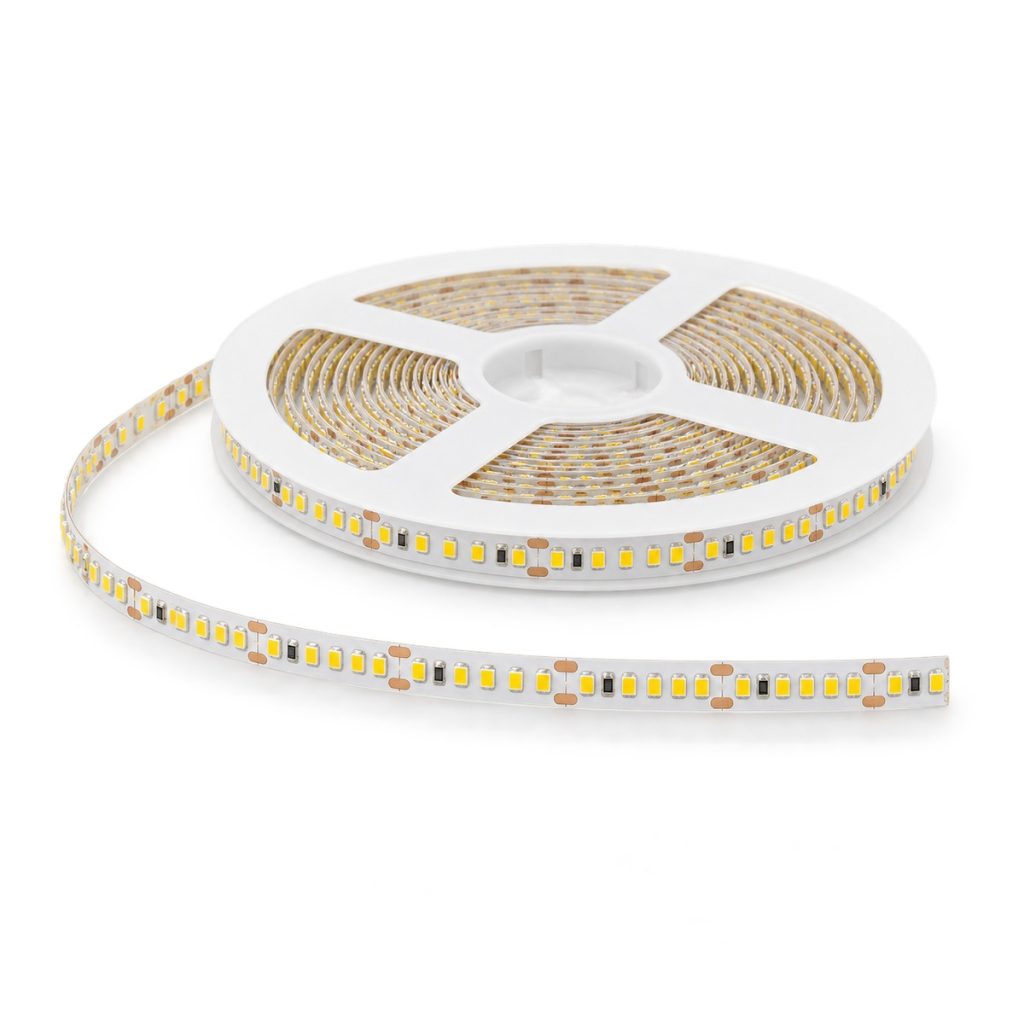
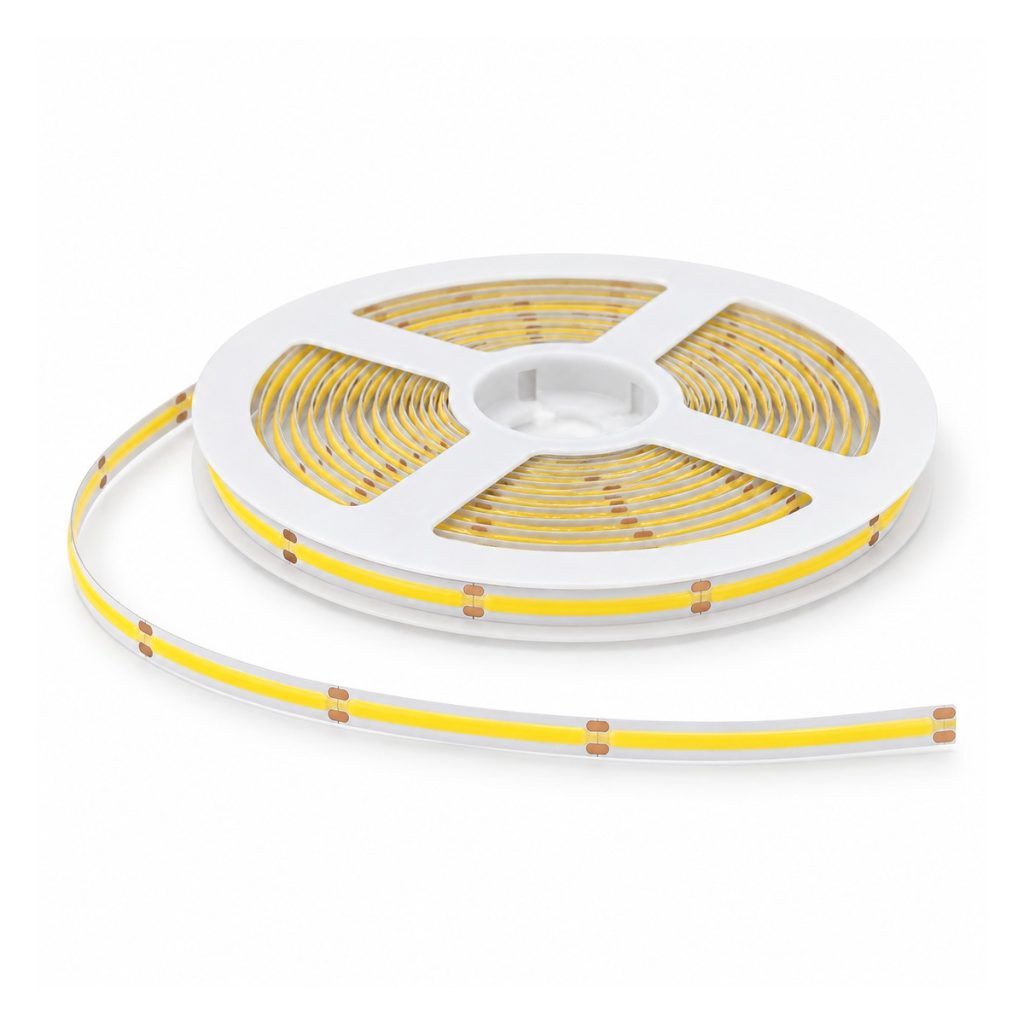
High density LED strip options for lighting viewed up close

Choose a high density LED strip around the finished lighting detail, from a close-view shelf to a wider linear channel.
  • Compare SMD emitter spacing with continuous COB construction
  • Check lumen output separately from the number of emitters
  • Match board width, power and available cooling space
  • Evaluate the selected cover with a physical strip sample

Optical selection

Check a high density LED strip at the intended viewing distance

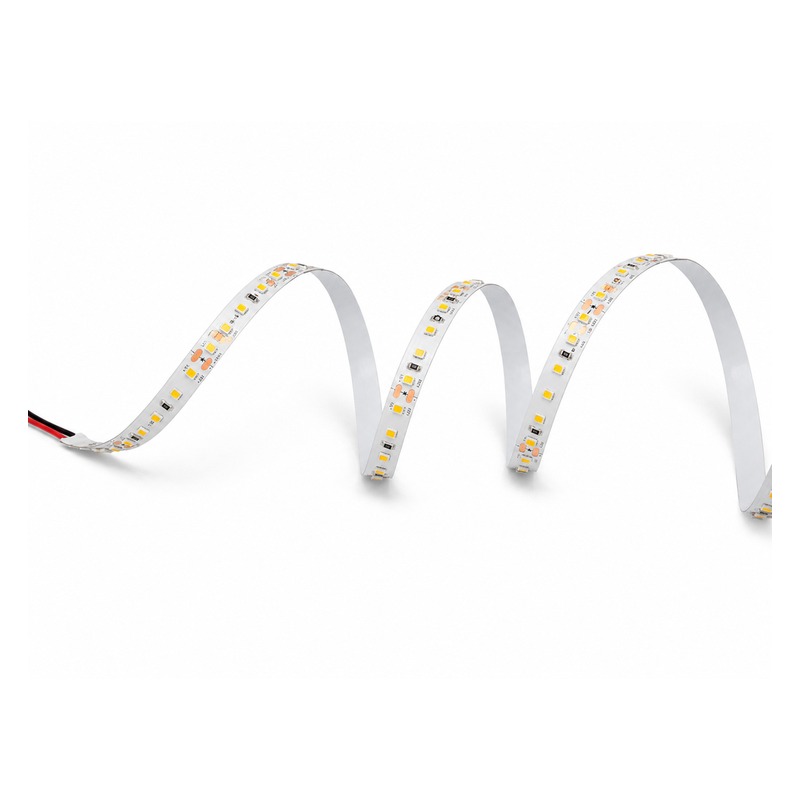
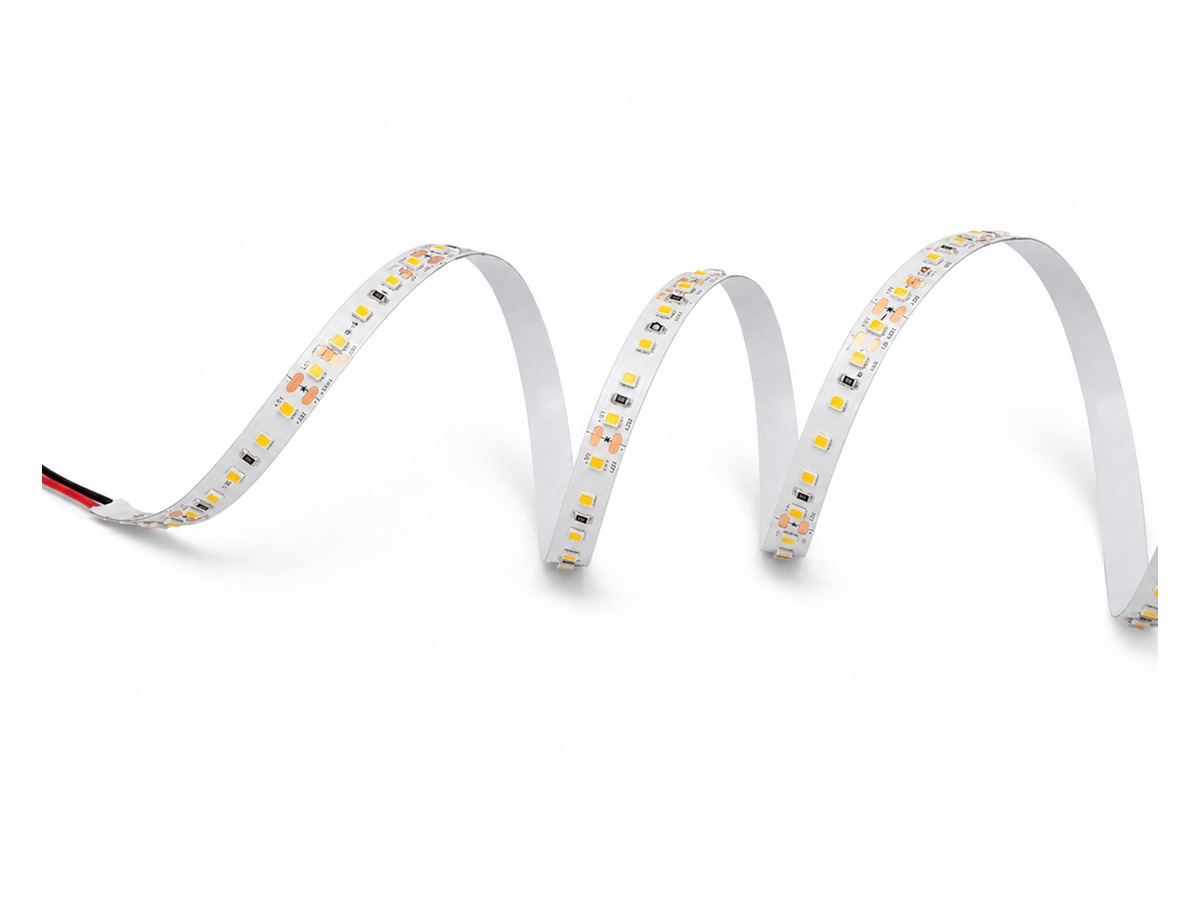
Closely spaced emitters can make a line of light look more continuous. Whether you can still see individual bright points depends on the cover depth and viewing angle.
A deep cover may hide the points from a strip that looks dotted behind a shallow one. VST's work as a high density LED strip manufacturer includes comparing the source and diffuser together. Check their appearance at the intended distance and establish how much light the surface needs. Exposed-reel photographs cannot answer those questions.
✓

Uniformity at the surface

Check the light pattern on the material and any reflection of the source. Glossy stone and glass can reveal bright points that a matte sample hides.

✓

Brightness with units

Request the lumen output for your chosen white-light configuration. Power and emitter count describe other properties, so neither establishes how well the installation will illuminate the surface.

✓

Installed thermal conditions

A narrow recess can limit cooling even when the tape physically fits. Choose power alongside the channel construction and the surrounding enclosure.
Development support

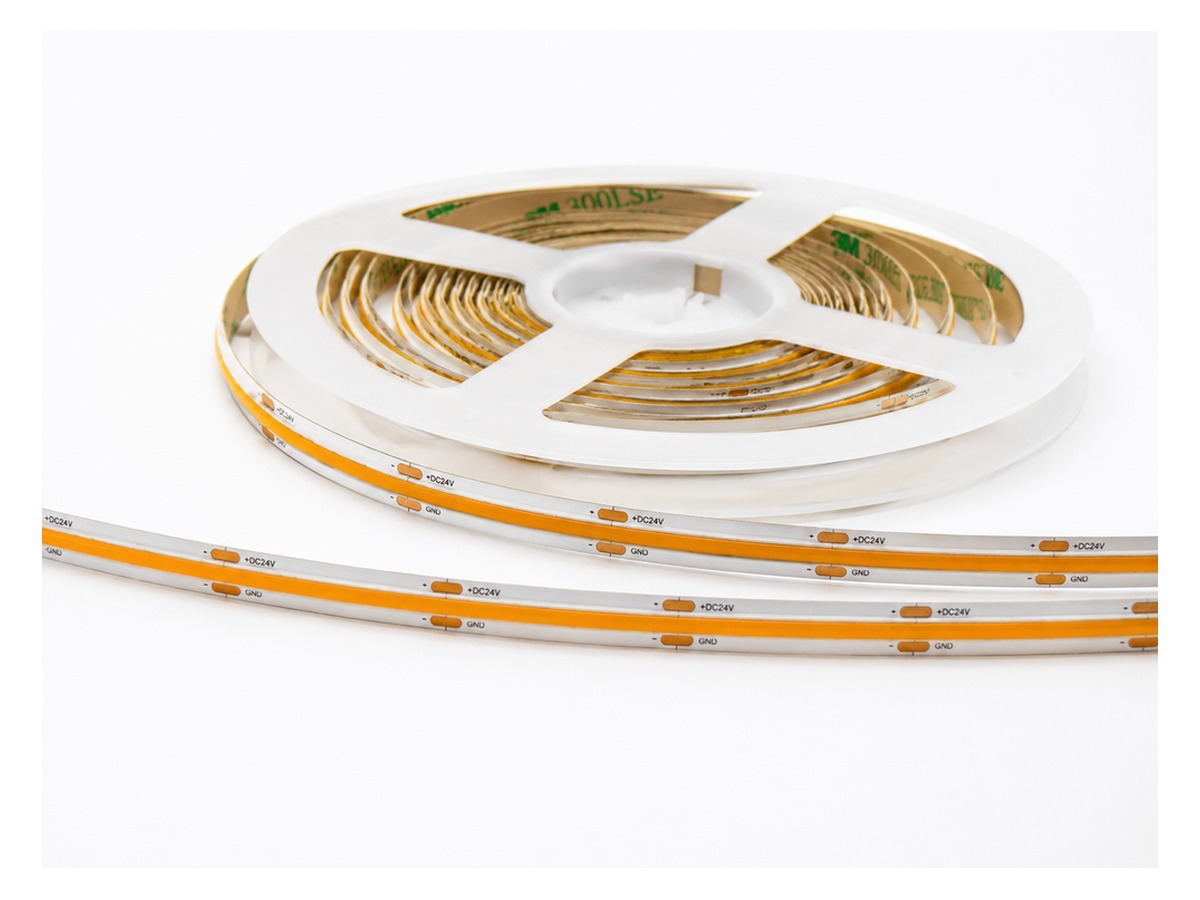
Test the source and cover before ordering

VST is a high density LED strip supplier that can prepare optical and mechanical comparisons around your requirements.
✓

Source-and-cover evaluation

Place the sample strips behind your chosen diffuser and inspect the light line, corner transitions and different viewing angles before selecting the production version.

✓

Separate color measurements

VST's integrating-sphere capability supports checks of output, color temperature and color rendering. Request data for the relevant model and white-light option.

✓

Board fit assessment

Send the channel cross-section so we can compare board widths and allow for terminations that need more clearance than the straight tape.

✓

Controlled variant changes

Document changes to power, density and board construction separately. You can then trace differences in appearance or operating temperature back to the revised sample.

Density and output

What defines a high density LED strip?

Density describes the number and spacing of emitters along the strip. It does not specify a universal brightness level or guarantee a dot-free appearance through every cover.
High density LED strip lights use closely spaced SMD packages or a COB emitting layer. COB chip counts and SMD package counts describe different constructions, not equivalent optical measurements. For a high output LED strip, assess luminous flux, power and heat removal separately. This comparison includes fixed-white SMD from 120 LEDs/m and COB from 320 LEDs/m; these selection limits are not an industry threshold.

White-light routes

Choose by width, output or color rendering

Tell VST, your high density LED strip OEM supplier, what drives the choice: a narrow light line, higher output, color rendering or an SMD construction.

Higher-output COB

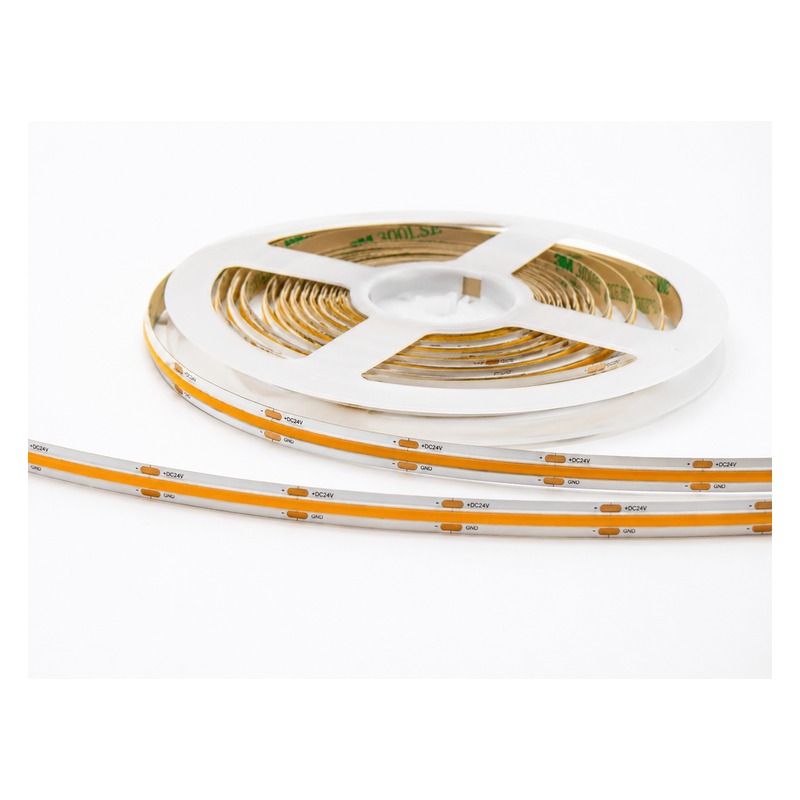
C960W2812 lists 2800 lm/m at 28W/m. Check the channel's heat removal and the useful light after the cover before allocating the run length.
View Product

Color-rendering SMD

S2835L240H2210 combines 240 LEDs/m with listed CRI 98. Consider this route when material appearance matters as much as the continuity of the light line.
View Product

Specification checkpoints

Four details to carry into the sample

Set measurable requirements before judging the appearance of a sample.

Board clearance

Published board width helps you fit a closely packed source into the host profile while leaving space for the selected connection method.

Test support

Optical measurement can establish a model's output and color properties. The finished diffuser assembly may require a separate check of delivered light.

White appearance

Adjacent runs should use the same agreed white-light option. Compare them on the same material under consistent ambient light when assessing a sample.

Configuration control

Record the selected density, load and control method together. A replacement tape with the same width can still behave differently electrically or optically.

Source construction
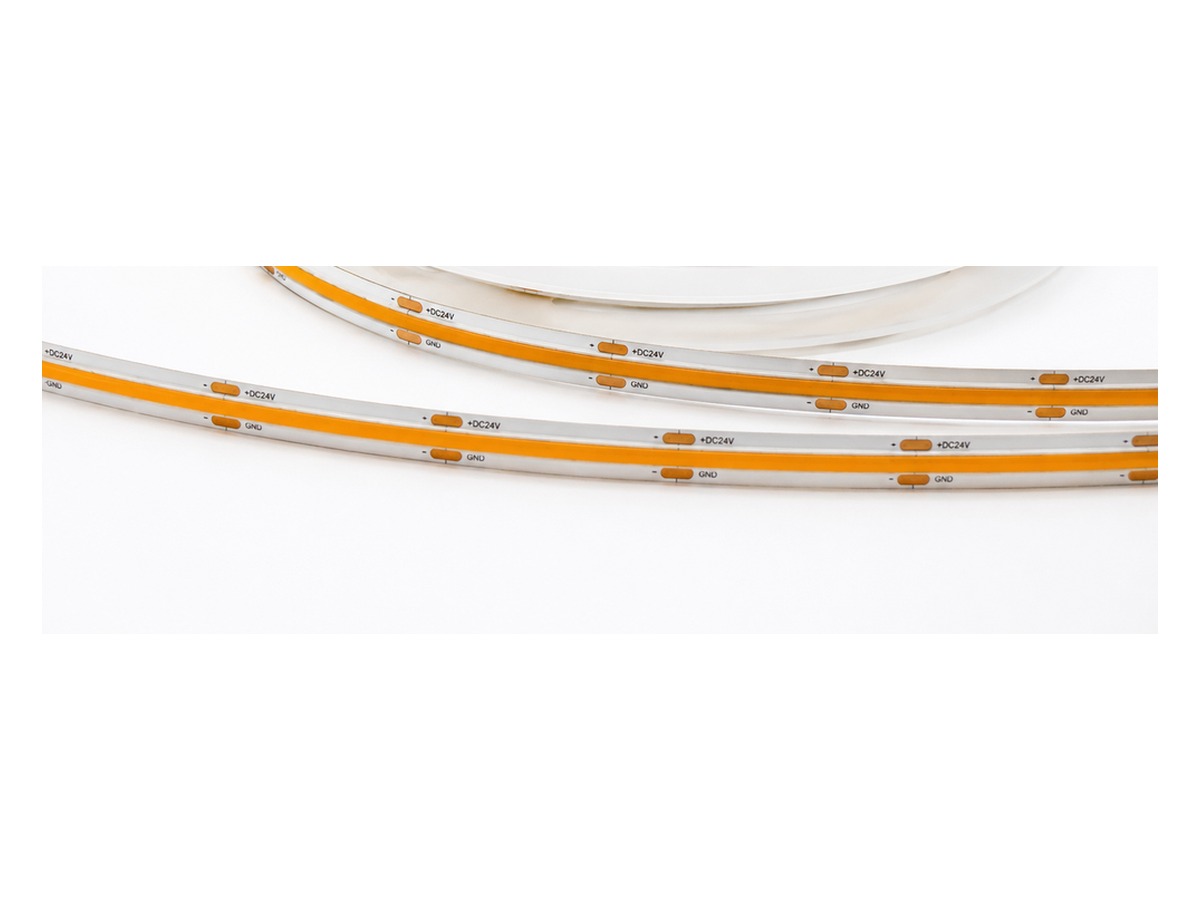
The source, board and feed lead

Specify each part for its optical, mechanical or electrical job.

Primary light source

COB emitting layer

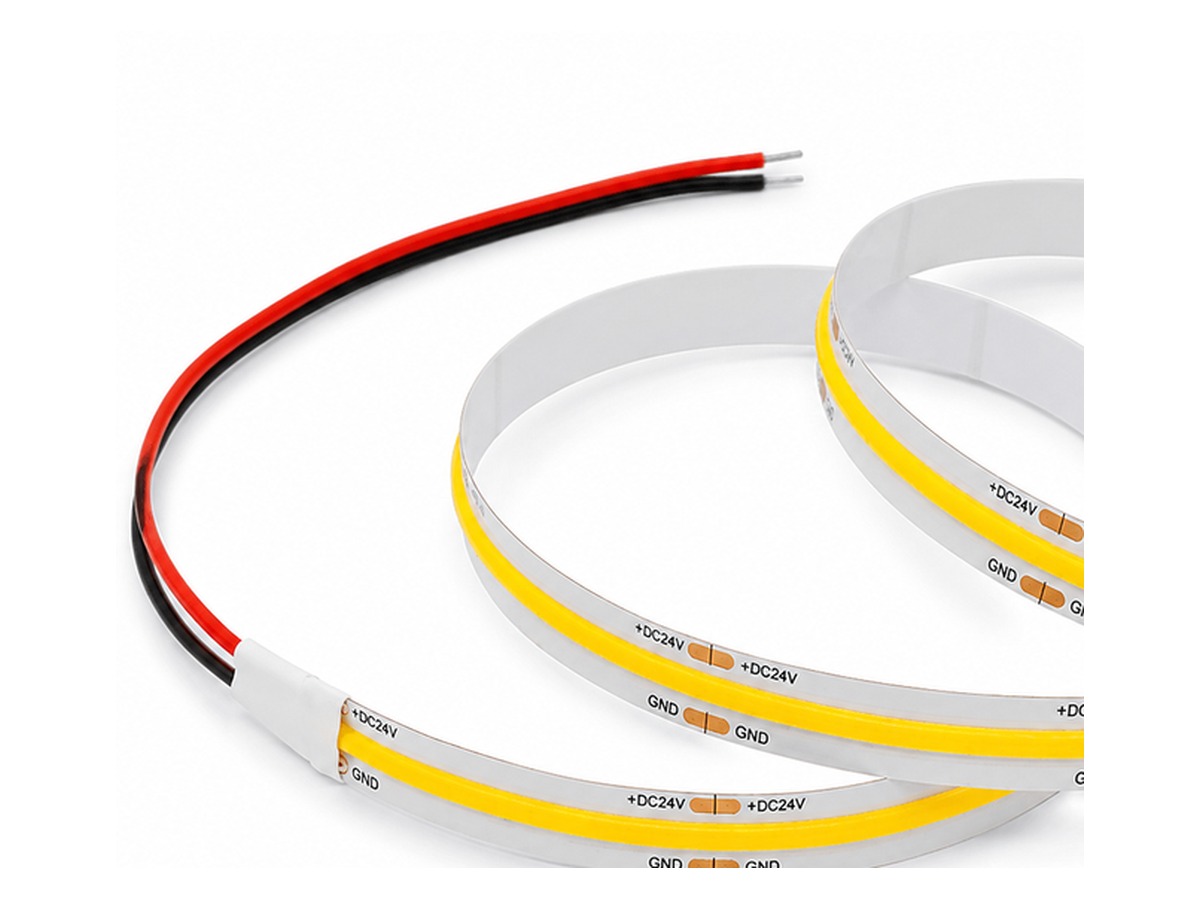
A COB strip has a phosphor-covered emitting surface along the flexible tape. This can help when the source sits close to a cover, although the complete optical assembly determines the appearance. Compare your high density LED strip on the actual material, checking both the visible line and reflected light. Avoid pressure on the phosphor surface and sharp folds when assembling the strip.

Mechanical fit

Flexible PCB

The flexible board determines the available width and carries electrical paths along the source. A wider board may suit a higher-load construction but requires a matching profile. Do not select it solely because a narrow diffuser looks more discreet. The contact surface beneath the strip, the permitted cutting pattern and the space at each termination all affect the finished installation.

Current delivery

Feed lead

The feed lead carries the connected load. A high-output strip can require larger conductors than an accent run at the same voltage. Plan feed positions, conductor size and strain relief before closing the profile. Keep joints accessible, protect the cable entry and account for lead length. Additional feed points need a circuit plan rather than improvised connections.

Supply context

Product introduction and customer feedback

An introduction to VST before discussing the sample work.

LED strip product context

VST's category video introduces its LED strip range. When you contact the team, describe the light effect and profile you plan to use. That gives them a basis for selecting a sample combination that suits the mounting detail.

Communication through development

Hear a customer's perspective on cooperation with VST. If your project involves several optical trials, agree how to identify each sample version so the order refers to the chosen construction and your team can distinguish it from earlier comparisons.

Application decisions
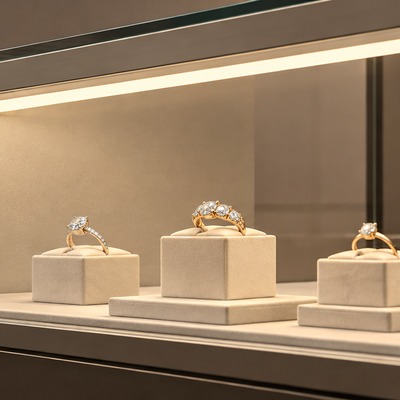
Where closely spaced emitters are useful

A high density LED strip is useful when the installation makes source separation visible.

Jewelry display cases

A shallow display case places the light source close to reflective jewelry and glass, making bright points noticeable. Evaluate reflections, shielding and the color-rendering requirement at the intended viewing position. VST can suggest dense white-light samples and compare board widths so the selected source fits the display detail without sacrificing room for the connection.

Polished stone counters

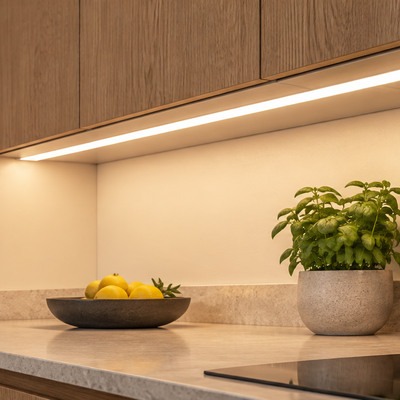
A concealed line near polished stone can appear as separate reflected dots even when the strip itself is hidden. Assess the setback, surface finish and viewing angle using the actual countertop material. We can help compare COB and diffused SMD options around that reflection, then prepare the lead arrangement for the chosen counter construction.

Architectural coves

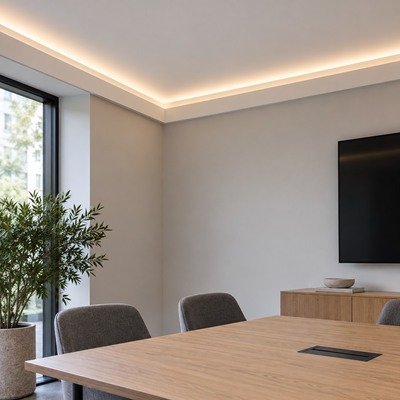
Close ceiling coves may have little distance for separate emitters to blend before light reaches the surface. Establish cove depth, wall texture and the required wash before choosing density. VST can provide source options for a mock-up and support the electrical layout, keeping appearance decisions separate from the measured output needed for the room.

Textile display shelves

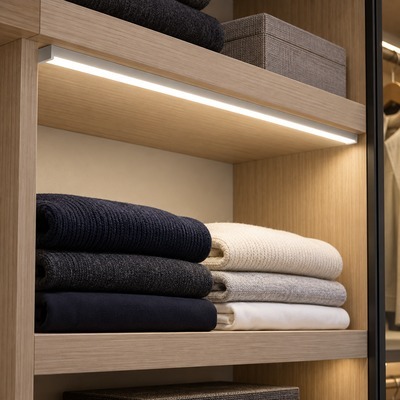
Folded textiles benefit from even shelf lighting that does not create distracting bright bands across the fabric. Check the cover-to-product distance, color appearance and visibility of the front edge. Our team can arrange appropriate white-light samples and cut-length preparation for the shelf system, allowing you to judge the result with your own merchandise.

Furniture light slots

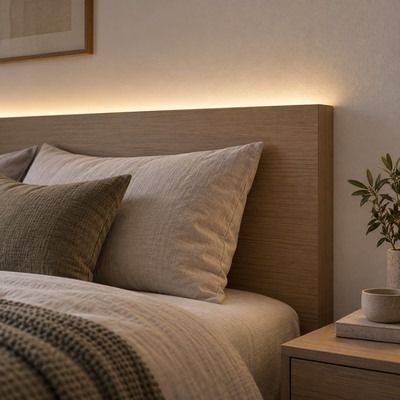
A narrow illuminated slot in furniture exposes the light line at short viewing distance. Verify the recess cross-section, insertion sequence and clearance for the end connection before selecting the tape. VST can help choose a compatible board width and discuss prepared leads, with the source assessed behind the actual decorative cover rather than in open air.

Compare the installed effect

Send the profile and the light you need

Send the channel cross-section and describe the white-light effect you need. As a high density LED strip wholesale supplier, VST can supply a specified model and prepare samples for you to test in the assembly.

Published specifications

Compare high density LED strip models by actual data

Compare six fixed-white models by the property your lighting detail needs. Check emitter spacing and output separately, then test the chosen source behind the intended cover.
Selection Route Representative Model Voltage W/m PCB Width Cut Interval Use It When
Narrow, lower-load COB C504W0504 24V 5 4mm 41.67mm You need a continuous source in a narrow slot with limited power demand.
General COB profile C528W1308 12V / 24V 13 8mm Cut Anywhere You want a COB option for a conventional diffused profile.
Higher-output COB C960W2812 24V 28 12mm 33.3mm You need stronger white output and have space for adequate cooling.
High-CRI SMD S2835L240H2210 24V 22 10mm 41.66mm Material color matters alongside closely spaced emitters.
Closely spaced 2216 S2216L280W1810 24V 18 10mm 25mm You want a dense SMD option to compare behind the intended cover.
Wide-board white lighting S2835L420W3025 24V 30 25mm 50mm Your channel accommodates a wider board and the associated thermal load.
Discuss custom leads, white-light options, board configuration and packaging with VST. As a high density LED strip supplier, we separate simple preparation work from construction changes that need another optical or thermal sample.
Incoming inspection, assembly controls and electrical checks support consistency. Identify the source construction and white-light option in the manufacturing specification; the approved sample establishes the intended appearance.
Prepare a clean, flat mounting surface with an appropriate thermal path. Cut only at the selected model's permitted positions. Keep the supply isolated during connection, avoid pressing on emitters and test the covered assembly after installation. Assess operating temperature in the actual enclosure.

Development feedback

What made the sample process useful

Comments on choosing and documenting a workable construction.
The side-by-side samples helped us settle the cover depth. We stopped debating photographs and could judge the actual detail.
Elisa HartDesign Lead, Retail Display Company

Supply terms

Ordering the selected construction

Commercial scope follows the model and the work needed to prepare it.
01

LED strip orders generally begin at 500 meters, with selected stocked products subject to their own terms. The density label alone does not determine the minimum. Ask for a quotation against the specific model and prepared lengths.
02

Samples are available with preparation charges stated in advance. Those charges may be credited toward a later bulk order by agreement. Identify the source and cover combinations needed so the trial answers a specific optical question.
03

A regular product commonly requires 2-3 weeks of production. Light customization is typically 3-4 weeks; extensive work is usually 4-6 weeks. Material availability and order scheduling affect the final plan, and shipping time is additional.
04

Private labels and customized packaging are available. Provide the identification needed to distinguish similar-looking constructions. If development requires tooling, its charge and any later credit arrangement must be explicitly agreed rather than assumed.

Unresolved choices

Questions before specifying a high density LED strip

A sample can look promising before you try the final material or cover. Check how those choices and the operating conditions affect your high density LED strip before deciding the length to order and completing the lighting detail.

Compare the information relevant to the task instead of a brightness adjective.
Question Useful evidence
Will it light the surface? Output and installed illumination
Will the line look continuous? Mock-up with actual cover and viewing distance
Will it run safely in the recess? Assembly temperature and load assessment

A dark joint is often caused by the end spacing, connector or mechanical gap rather than emitter density along the tape. Plan the joining detail as part of the profile assembly. A short prototype of the joint is more useful than increasing density across the entire run.

Higher output can increase glare or make reflections more conspicuous. Choose the required delivered light and dimming range alongside the cover's appearance. Evaluate it in the actual recess rather than assuming that the highest-power option offers the most useful result.
Inquiry Now